Before I published my first blog post, I spent three weeks reading about what blogging “is.”
I read definitions. I read how-to guides. I read monetization breakdowns. And yet, the day I actually hit publish, I had no idea what I was doing or whether any of it would go anywhere.
Here’s the thing nobody wrote about: blogging is not a system you learn and then execute. It’s a skill you build while doing it — and the early part is confusing for almost everyone.

This guide isn’t a textbook definition. It’s what I wish someone had explained to me before I started.
What Blogging Actually Is (The Real Version)
Blogging is the practice of regularly publishing written content on a website, usually organised around a specific topic or niche, with the goal of reaching an audience that searches for that content.
That’s the accurate version. But it misses the texture of what blogging actually involves day-to-day.
A blog is not just a website with articles on it. It’s an ongoing publishing project where the work compounds over time. A post you write in January can bring readers in September, if it ranks in Google. A post you write today can still be earning affiliate commissions three years from now.
That compounding quality is what makes blogging genuinely different from most other ways of working online.
The blogger’s core job is deceptively simple: find out what people are searching for, write something useful about it, publish it, and make it easy for search engines to understand and show it. Everything else — the tools, the platforms, the monetization methods — is built around that cycle.
How a Blog Actually Works (The Technical Side, Simply)
You don’t need to understand servers or code to blog. But knowing the basics helps you avoid expensive confusion later.
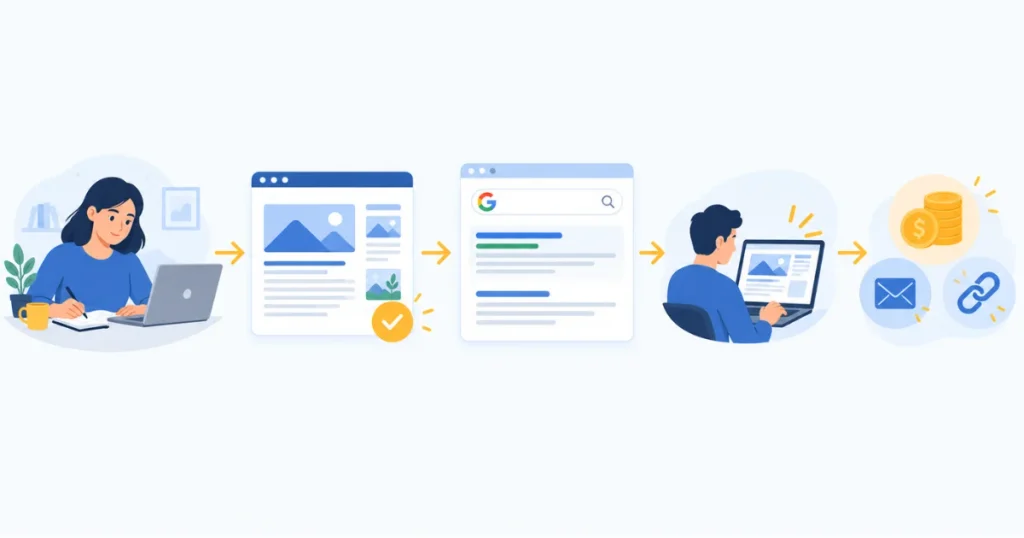
Here’s what happens when someone reads one of your posts:
- You write and publish a post on your blogging platform — most likely WordPress, though Ghost, Substack, and others exist.
- Search engines crawl your site. Google’s bots visit your URL, read the content, and decide what it’s about and whether it’s useful.
- Your post appears in search results — maybe on page one, maybe page five, depending on how well you’ve written for both readers and search engines.
- A reader clicks, spends time reading, maybe clicks a link to a product you recommend, maybe signs up for your email list.
- You earn — from ads, from affiliate commissions, from a product you sell, or from a combination of all three.
The gap between steps 1 and 5 is where most beginners get lost. That gap is real and it typically takes months, not days. But it closes.
The platforms worth knowing:
- WordPress.org (self-hosted) — the most flexible, most widely used blogging platform. Requires a hosting plan (Hostinger and SiteGround are reliable entry points) and a small annual domain cost.
- Ghost — cleaner, faster, better for paid newsletters alongside blogging.
- Substack — newsletter-first but increasingly used as a blog. Zero setup cost, limited SEO control.
- Blogger — Google’s own free platform. Simple but limited for anyone serious about growth.
For most beginners serious about building something real, WordPress.org is still the right answer.
READ MORE: Best Blogging Platforms
Types of Blogs That Actually Works
Not every blog topic has the same earning potential. That’s not a reason to chase money over genuine interest — but it is worth knowing before you commit.
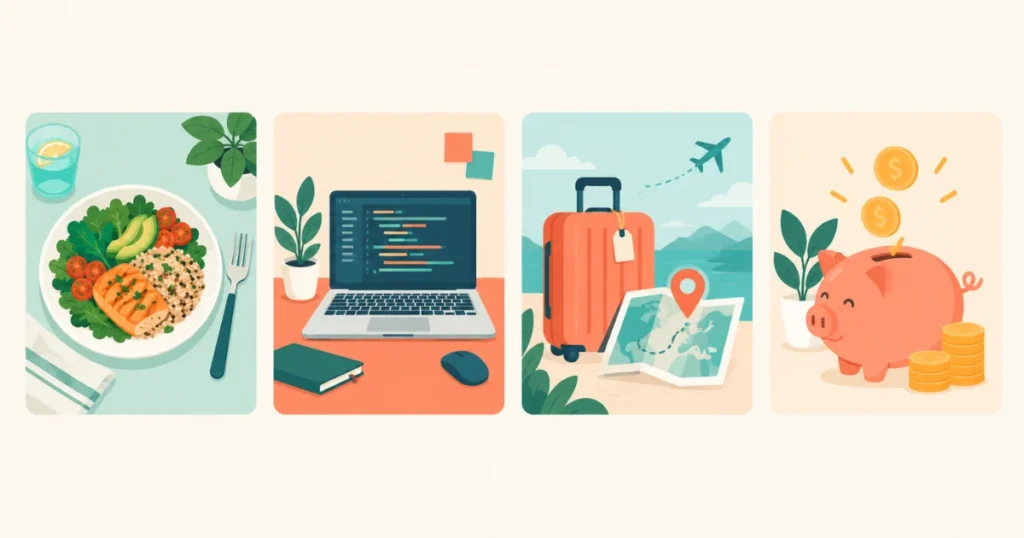
Personal finance blogs
Topics like budgeting, investing, debt payoff, and frugal living attract readers who are actively looking to spend or save money. That means high-value affiliate partnerships and ad rates.
Health and wellness blogs
Fitness routines, nutrition, mental health, specific diet approaches. High search volume, though Google applies strict quality standards here (E-E-A-T requirements are higher for medical or health topics — real credentials or personal experience matter more).
Tech and software blogs
Reviews, comparisons, tutorials for tools and software. Affiliate programs for software products typically pay 20–40% recurring commissions. This was where I started.
Niche hobby blogs
Woodworking, fishing, homesteading, board games, specific sports. Smaller audiences but often higher buying intent and lower competition. A blog about a specific hobby can out-earn a broad lifestyle blog with ten times the traffic.
Education and career blogs
Study guides, career advice for specific industries, exam prep, university life. Steady search demand, good for digital product sales.
The pattern in every successful niche: the blogger knows the topic from lived experience, not just research. That first-hand perspective is increasingly what Google and readers reward.
READ MORE: How to Start a Blog and Make Money From It
What Blogging Actually Feels Like (The Part That Surprises Everyone)
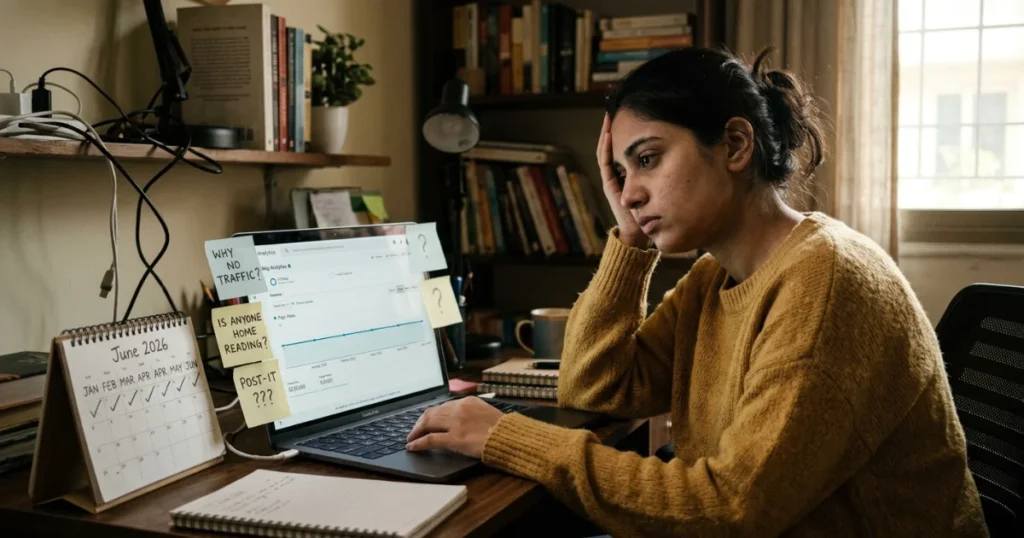
Here’s what the first six months of blogging genuinely feels like for most people: invisible.
You publish posts. Nobody comments. Traffic is in the dozens. Your analytics graph looks like a flat line with occasional small bumps. You start wondering if you’ve made some fundamental error.
You probably haven’t. You’re just in the phase that almost every blogger goes through before things start to move.
The honest timeline most bloggers experience:
- Months 1–3: Mostly silence. A few dozen visitors per month, mostly from people you’ve told directly.
- Months 4–6: First signs of organic search traffic. A post or two starts ranking on page two or three of Google.
- Months 6–9: Some posts break onto page one for lower-competition keywords. Traffic grows, slowly but visibly.
- Month 9–12: If you’ve been consistent, things start compounding. New posts rank faster. Old posts gain authority.
This timeline assumes you’re writing consistently (at least two to three posts per week), targeting keywords with real search demand, and writing content that’s genuinely better than what’s already ranking.
The bloggers who give up in month three miss month nine. That’s the whole story.
How a Blog Makes Money (The Honest Version)
Most people know blogs can make money. Fewer understand how, realistically.
Google AdSense and display advertising
Ads appear on your blog. You earn a small amount per visitor. Simple — but it pays almost nothing until you have tens of thousands of monthly visitors. A blog with 5,000 monthly visitors might earn $15–$40/month from ads. A blog with 80,000 monthly visitors on an ad network like Mediavine might earn $2,000–$5,000/month.
This means ads are a late-stage income source, not a starting strategy.
READ MORE: AdSense Approval Tips for New Bloggers
Affiliate marketing
You recommend a product or service. A reader clicks your link and buys. You earn a commission — typically 3–50% depending on the product category. This is how most bloggers earn their first real money, and it scales well with mid-sized traffic.
A personal finance blogger recommending a budgeting app. A tech blogger reviewing a web hosting plan. A cooking blogger linking to kitchen equipment. All affiliate marketing.
READ MORE: Affiliate Marketing for Bloggers
Digital products
eBooks, templates, courses, presets, swipe files. You build something once, sell it repeatedly. This is often where serious blogger income comes from — not from ads, not from a single affiliate, but from something they own outright.
Sponsored content
Brands pay you to write about their product or service. This typically becomes possible once you have a decent monthly traffic number or a highly engaged niche audience. Rates vary enormously — from $50 for a small niche blog to $2,000+ for one with a large engaged following.
The key lesson most beginners miss:
Don’t optimise for one income source. Successful bloggers typically have three or four working together. Each one covers a different phase of the reader journey.
The Tools Bloggers Actually Use
You don’t need expensive software to start. Here’s what’s genuinely useful at each stage:
Writing and publishing:
- Google Docs for drafting (free, auto-saves, easy to share for editing)
- WordPress with a lightweight theme like Kadence or Astra (both have solid free versions)
SEO research:
- Google Search Console (free, essential from day one)
- Ubersuggest or Ahrefs Webmaster Tools (both have free plans for keyword research)
- Keywords Everywhere Chrome extension (low cost, very practical for beginners)
Design and images:
- Canva (free plan handles most blogging needs: featured images, social graphics)
- TinyPNG or Squoosh for compressing images before upload (page speed matters)
Email list:
- Kit (formerly ConvertKit) — free up to 1,000 subscribers, built for bloggers
- Mailchimp — alternative, widely known, free plan available
Analytics:
- Google Analytics 4 (free, shows you what’s working)
- Google Search Console (shows you how people found you — arguably more useful than GA4 in the early stages)
The mistake I made: I spent money on tools before I needed them. A $500/year SEO suite is pointless when you have twelve posts published. Start free. Upgrade when you’ve outgrown the free version.
What Nobody Tells You Before You Start
A few things I wish someone had said plainly:
Your first posts will not be your best work.
Write them anyway. You improve by publishing, not by planning to publish.
Blogging is more like gardening than sprinting.
You plant content, water it with internal links and occasional updates, and it grows over months. There’s no shortcut for that timeline.
The niche matters less than the depth.
Two bloggers in the same niche, writing about the same topics — the one who goes deeper, shares more specific experience, and updates their content wins. Every time.
You will want to redesign your site constantly.
Resist. A post published beats a header redesigned every single time. Traffic comes from content, not from a different font.
The first $10 you earn matters more than it should.
It proves the model works. For me, the first affiliate commission I saw — $14.70 from a hosting referral — made the next six months feel completely different, even though it wasn’t meaningful money.
Common Mistakes That Slow Beginners Down
These aren’t obscure pitfalls. They’re the same ones almost every new blogger makes, including me:
Writing about everything instead of something specific. “Lifestyle blog” is not a niche. “Minimalist living for people in their 30s downsizing to smaller homes” is a niche. Specificity beats breadth at every stage of blog growth.
Ignoring keyword research entirely. Writing what you feel like writing, with no attention to what people are actually searching for, is the fastest path to invisible content. Spend 20 minutes with Google’s autocomplete and the “People Also Ask” section before writing anything.
Spending the first month on design. Your theme doesn’t rank. Your content does. Pick a clean, fast theme (Kadence or Astra are both good), leave the design alone, and write.
No email list. This is the most expensive mistake long-term. Social platforms change algorithms. Google updates rankings. Your email list is the one asset you own and control. Set up a simple opt-in on day one, even before you have traffic to send to it.
Comparing month-two results to someone else’s year-four results. This one quietly kills more blogs than any technical error. The timeline is long. The comparison is unfair. Just keep going.
So — What Is Blogging, Really?

The textbook definition is fine: regularly publishing content on a website about a topic you understand, to attract readers, and earn from their attention and trust.
But the lived definition is different.
Blogging is building something in public, slowly, that can eventually reach people you’ll never meet and solve problems you once had yourself. It’s a skill-based, compounding project that rewards people who stay in it past the invisible phase.
It’s not passive income from day one. It’s not a shortcut to quitting a job. And it’s not something you can half-do and expect full results from.
But for the people who get past month three? It becomes one of the most reliable, flexible ways to earn online — on your terms, in your voice, about something you actually know.
That’s what blogging is. Everything else is details.
Frequently Asked Questions
Q1: What is blogging, in simple terms?
Blogging is the practice of regularly publishing written posts on a website, typically focused on a specific topic, so that people searching for that topic can find, read, and benefit from the content. Bloggers earn income through advertising, affiliate links, digital products, and sponsored content.
Q2: Do you need technical skills to start a blog?
No. Setting up a blog on WordPress takes about an hour with a basic hosting plan and requires no coding knowledge. The skills that matter most for blogging are writing clearly, understanding what your audience searches for, and publishing consistently.
Q3: How long before a blog starts making money?
Most bloggers see their first meaningful income between months six and twelve, assuming they publish consistently and write for topics with real search demand. Display advertising income typically requires 20,000+ monthly visitors before it adds up significantly. Affiliate income can start with far less traffic if the content targets buying decisions.
Q4: What kind of content do bloggers write?
Bloggers typically write how-to guides, product reviews and comparisons, personal experience posts, listicles, beginner guides, and opinion pieces — all centred on topics their target audience actively searches for.
Q5: Is blogging still worth starting in 2026?
Yes — with the right approach. Generic content that adds no original perspective performs poorly now. Blogs built around real experience, specific niches, and genuine depth continue to grow and earn. The bar is higher than it was in 2015, but the opportunity is still real for bloggers willing to do the work properly.
Q6: How many posts should a blog have before it starts getting traffic?
There is no fixed number, but bloggers with 30–50 well-researched, search-optimised posts typically begin to see consistent organic traffic. Quality matters far more than quantity — ten posts that genuinely answer specific questions will outperform fifty thin posts with no clear focus.
Q7: What is the difference between a blog and a website?
A website is any collection of web pages under a domain. A blog is a type of website specifically built around regularly updated content posts, typically displayed in reverse chronological order, focused on a theme or niche. Many websites have a blog section as part of a larger site.
Q8: Can you blog anonymously?
Yes. Many successful bloggers use a pen name or keep personal details private. That said, Google’s quality guidelines reward demonstrable expertise and authorship signals — so anonymous blogs may need to work harder to establish trust through the quality and depth of their content rather than author credentials.
Q9: What is the best blogging platform for beginners?
WordPress.org (self-hosted) is the most widely recommended for bloggers serious about growth, because of its flexibility, SEO control, and the size of its plugin and theme ecosystem. For beginners wanting zero technical setup, Substack or Ghost are simpler starting points, though they offer less customisation.
Q10: How often should you post on a blog?
Consistency matters more than frequency. Two well-researched, thoroughly written posts per week outperforms five rushed ones. Most successful bloggers publish two to four times per week during the growth phase and reduce to one to two per week once an archive of strong content is established.